Guides
Birth flowers by month
Dernière mise à jour : 29 septembre 2026 · 7 min de lecture
Les guides sont disponibles en anglais uniquement.
Like birthstones, birth flowers give every month of the year a flower of its own – usually two. Here is each month's pair as we use them on our Birth flower planner, with the meanings most often given to them, so you can find yours (or the perfect one for a gift).
Sur cette page
- 1 What is a birth flower?
- 2 Why the lists don't always agree
- 3 January: snowdrop and carnation
- 4 February: violet and iris
- 5 March: jonquil and daffodil
- 6 April: sweet pea and daisy
- 7 May: lily of the valley and hawthorn
- 8 June: rose and honeysuckle
- 9 July: water lily and larkspur
- 10 August: poppy and gladiolus
- 11 September: morning glory and aster
- 12 October: marigold and cosmos
- 13 November: peony and chrysanthemum
- 14 December: narcissus and holly
- 15 Choosing a birth flower
- 16 Your birth flower on a planner
What is a birth flower?
A birth flower is a flower linked with the month you were born in. Most months have two, often one that blooms early in the month and one that belongs to its end, or one for the garden and one for the wild.
The idea draws on old flower symbolism, and especially on the Victorian "language of flowers", when a bouquet could carry a message without a word being said. Today birth flowers are a lovely way to make a present personal: on a card, in a bouquet, as a tattoo – or on the cover of a planner.
Why the lists don't always agree
There is no single official list. The ones you'll see most often are an American list and a British one, and they overlap for most months but not all. The hawthorn, for example, is a May flower mainly in Britain, where it blossoms in the hedgerows; American lists usually give July the larkspur, British lists the water lily. Some lists add other flowers, such as the primrose for February.
Meanings vary too. The same flower can mean slightly different things in different countries and centuries, and colours often carry their own meaning. So treat what follows as the most commonly given symbolism, not as rules. If a flower means something special to you, that is the meaning that counts.
Our Birth flower planner has two flowers for every month – 24 artworks in all. Here they are, month by month.
January: snowdrop and carnation
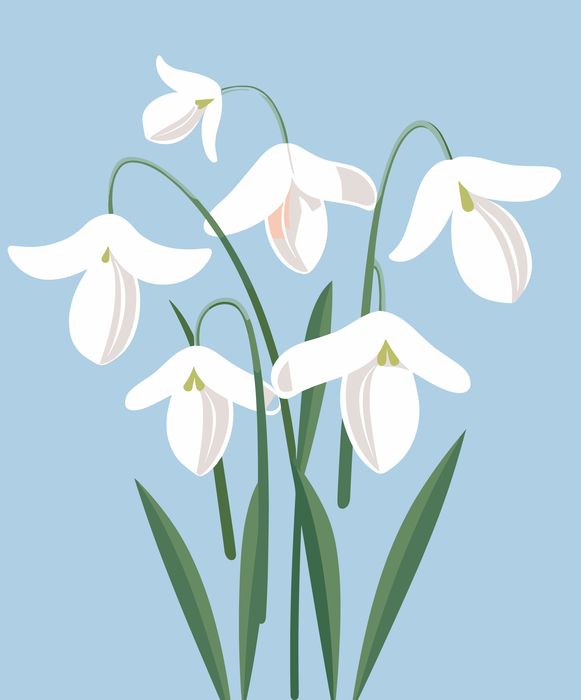
Snowdrop – one of the first flowers to push through in late winter, often while there is still frost on the ground. That timing is why it is so widely read as a sign of hope and of better days to come.
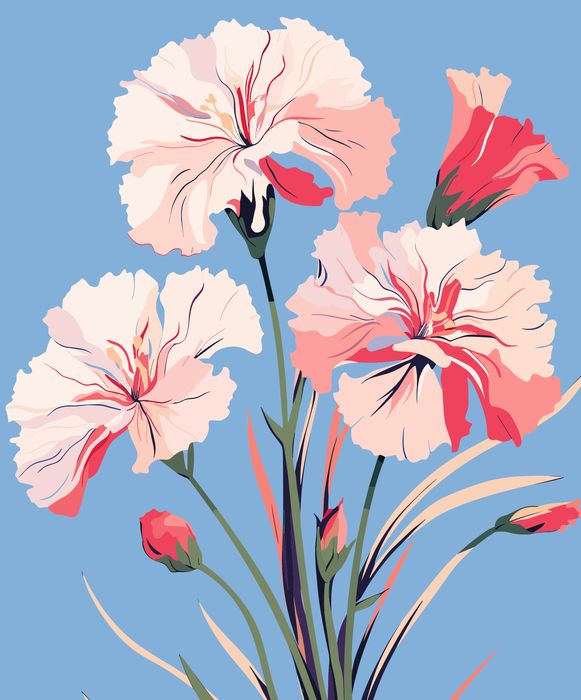
Carnation – long associated with love, admiration and fascination. Its colours are often given meanings of their own: pink is linked with a mother's love, red with deep affection and white with pure love and good luck.
February: violet and iris
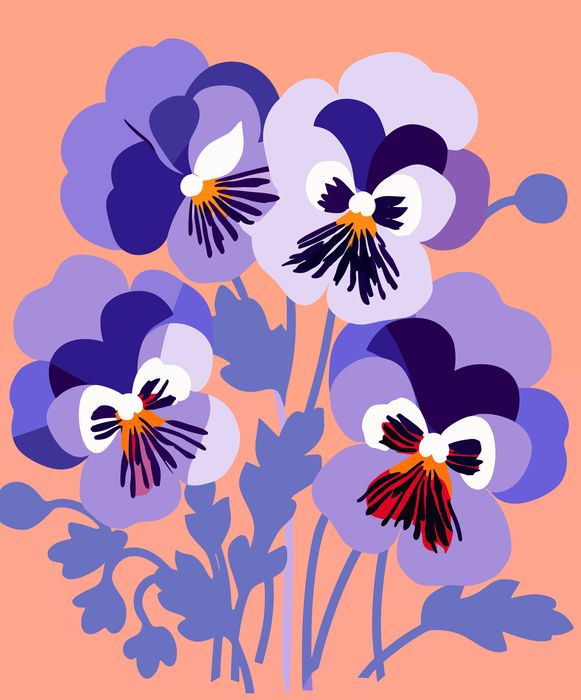
Violet – small, sweet-scented and easy to miss, the violet stands for modesty, faithfulness and loyalty. In Victorian flower language it was a way of saying "I'll always be true".
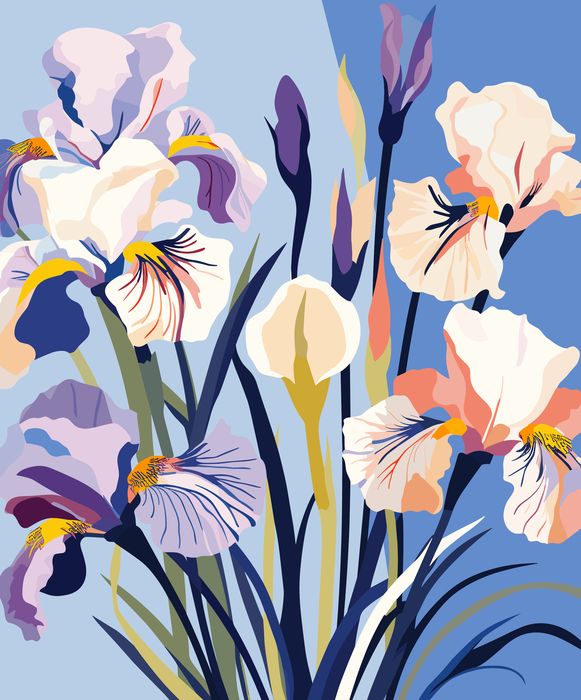
Iris – named after Iris, the messenger goddess of the rainbow in Greek myth, which suits a flower that comes in so many colours. It is commonly linked with wisdom, faith and hope.
March: jonquil and daffodil
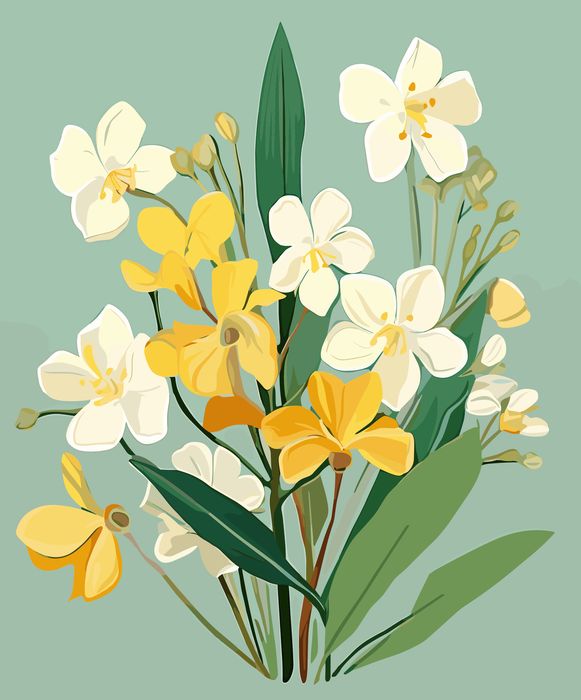
Jonquil – a sweetly scented kind of narcissus, a close cousin of the daffodil with several smaller flowers on each stem. In the Victorian language of flowers it was often said to express desire and affection returned.
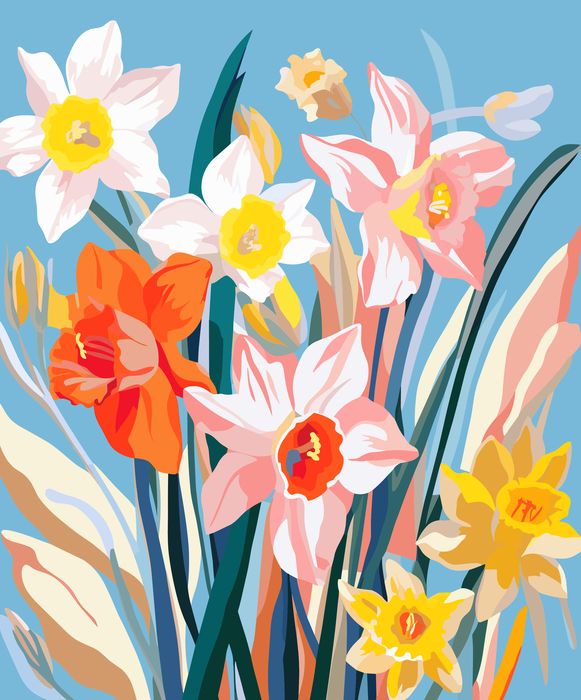
Daffodil – the trumpet of spring. It stands for new beginnings, rebirth and cheerfulness, and it is the national flower of Wales, worn on St David's Day on 1 March.
April: sweet pea and daisy
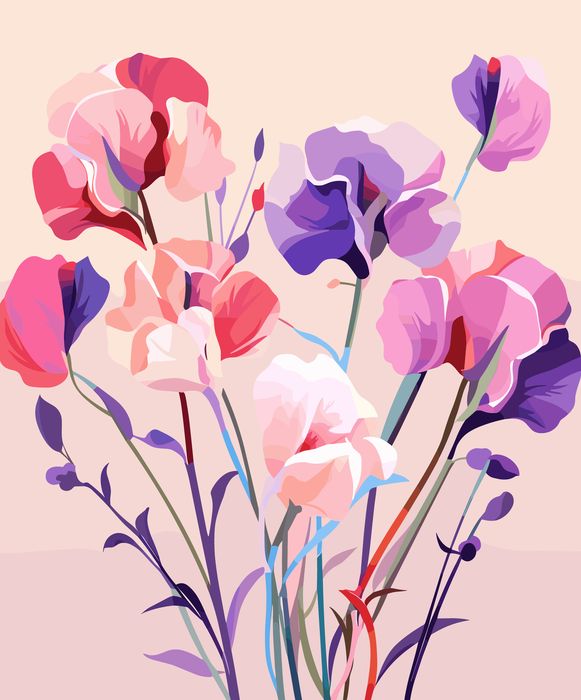
Sweet pea – frilly, fragrant and a cottage-garden favourite. Its traditional meaning is blissful pleasure, and in Victorian times it was also a way to say goodbye, or "thank you for a lovely time".
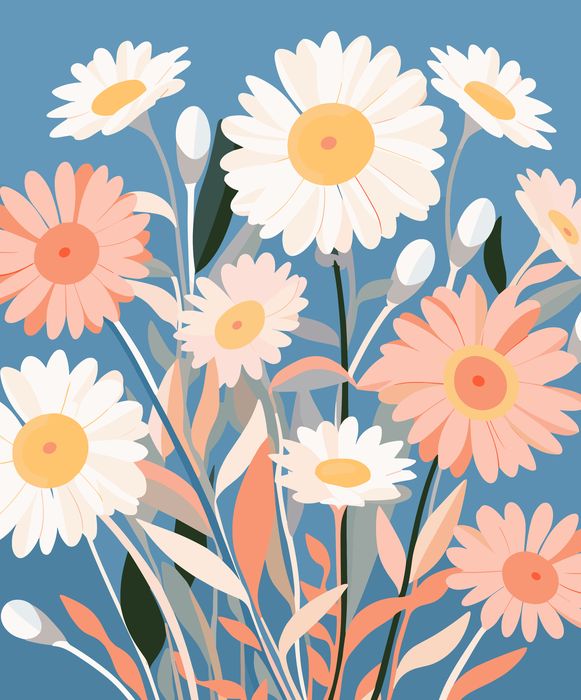
Daisy – the simplest of flowers, with a bright centre and white petals, is the classic symbol of innocence, purity and new beginnings. The name is thought to come from the Old English for "day's eye", because the flower opens in the morning and closes at dusk.
May: lily of the valley and hawthorn
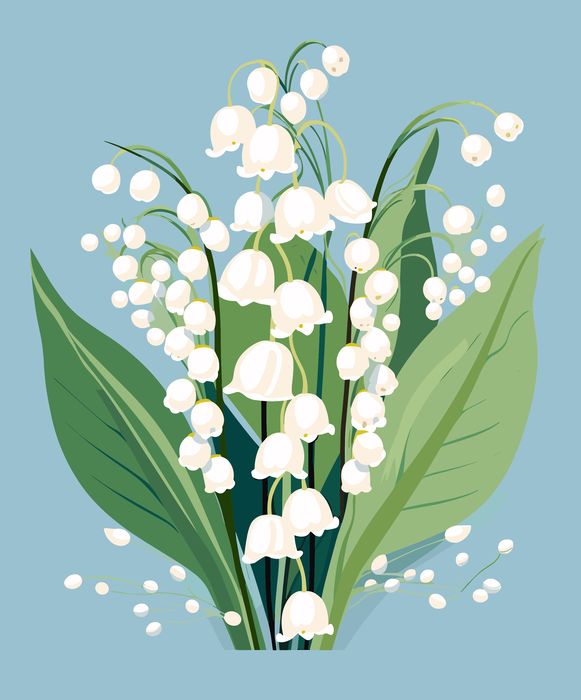
Lily of the valley – tiny white bells with a big scent, linked with sweetness, humility and the return of happiness. In France it is traditionally given to friends and family on 1 May for good luck. (Every part of the plant is poisonous, so admire it rather than taste it.)
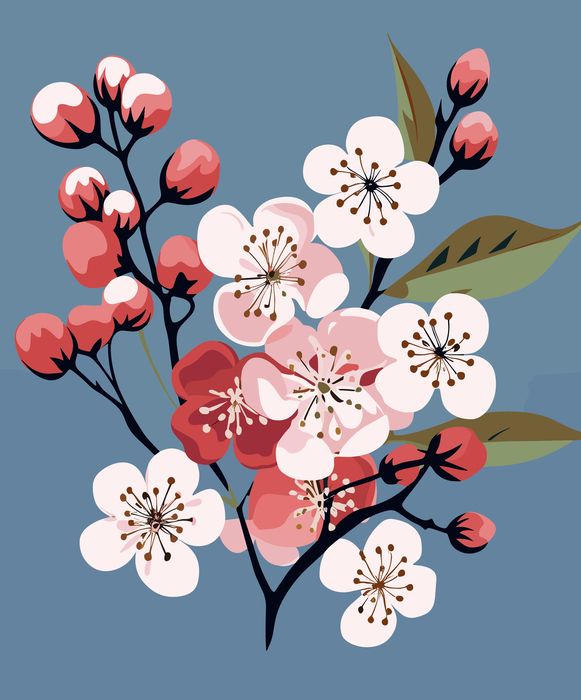
Hawthorn – the May blossom of British hedgerows, so closely tied to the month that it is simply called "may" in parts of Britain. It is usually said to stand for hope and the start of summer. You'll find it mainly on British lists.
June: rose and honeysuckle
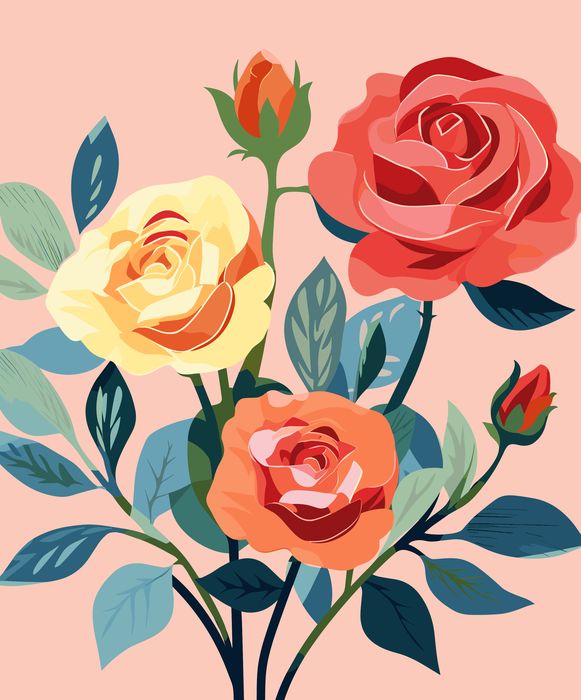
Rose – perhaps the best-known flower symbol of all: love, above everything. Colours carry their own shades of meaning – red for romantic love, pink for gratitude and admiration, yellow for friendship and white for new beginnings.
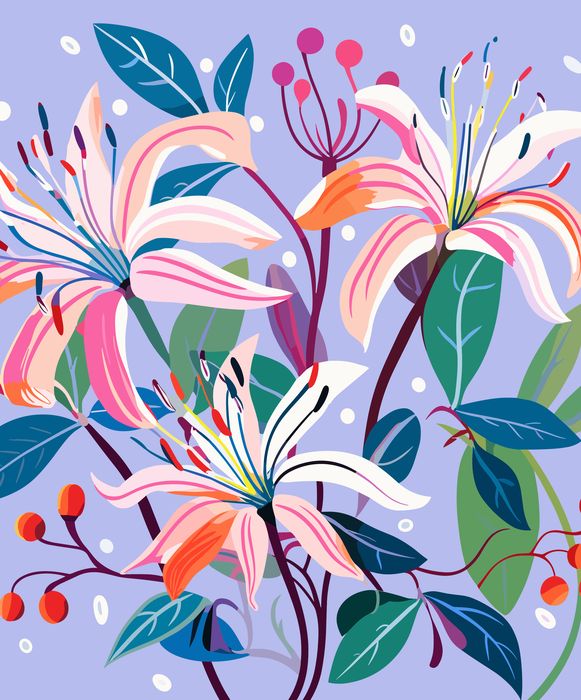
Honeysuckle – a climber with sweet evening scent that twines around whatever it grows on, which is why it came to mean devoted affection and the bonds of love.
July: water lily and larkspur
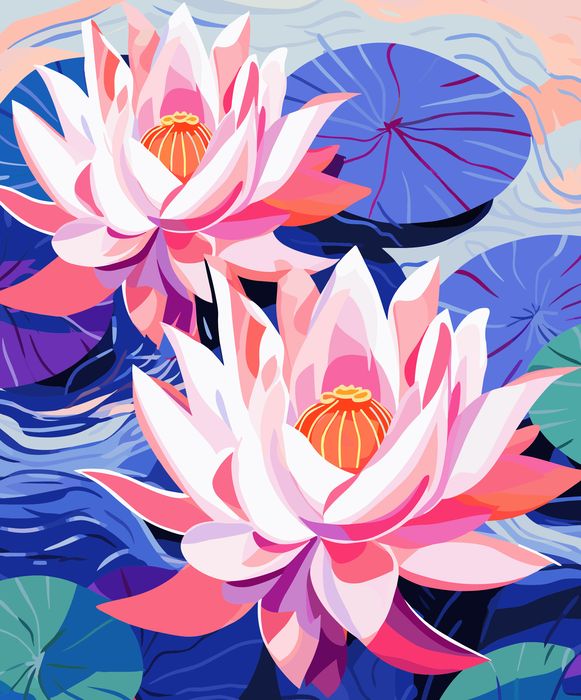
Water lily – floating on still ponds and opening its flowers to the sun, the water lily is widely linked with purity, peace and calm. It appears mostly on British lists for July.
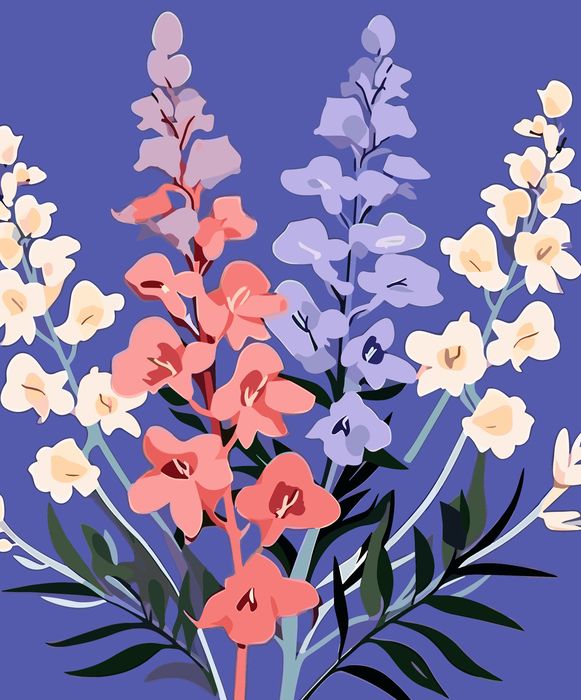
Larkspur – tall spires of blue, purple, pink or white, and July's flower on most American lists. It is usually said to stand for an open heart and lightheartedness, and its spurred flowers give it its name.
August: poppy and gladiolus
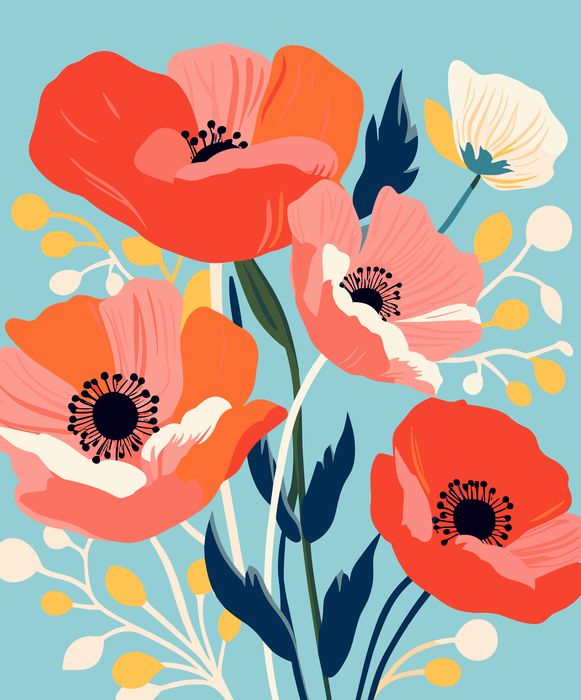
Poppy – in Britain and much of the Commonwealth, the red poppy is the symbol of remembrance for those lost in war. Older flower lore links it with sleep, dreams and imagination.
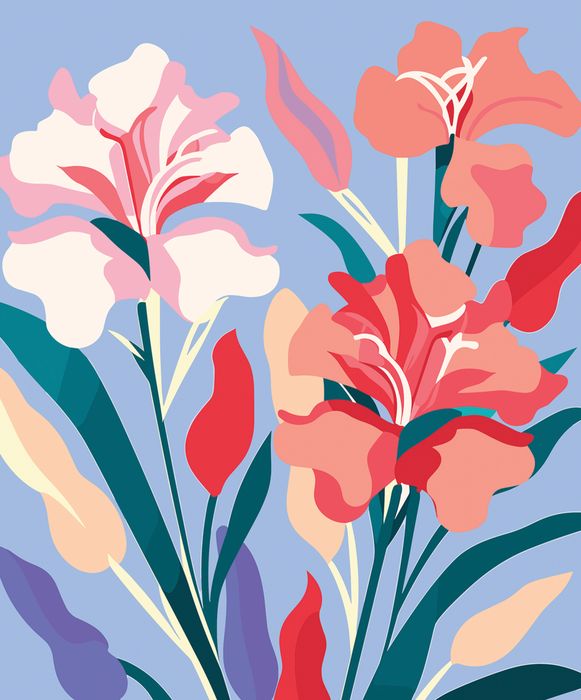
Gladiolus – its name comes from the Latin for a small sword, after its long, blade-shaped leaves. It stands for strength of character, integrity and remembrance.
September: morning glory and aster
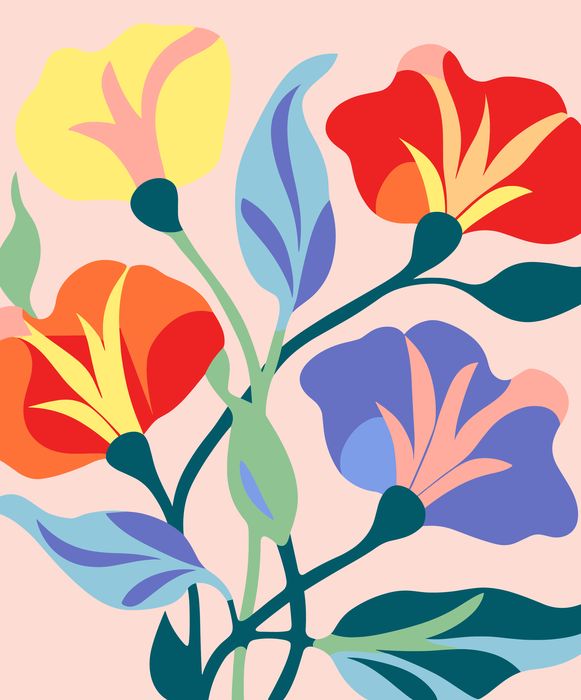
Morning glory – its trumpet flowers open with the morning light and usually close by afternoon, which has made it a symbol of affection and of love that is precious for being brief.
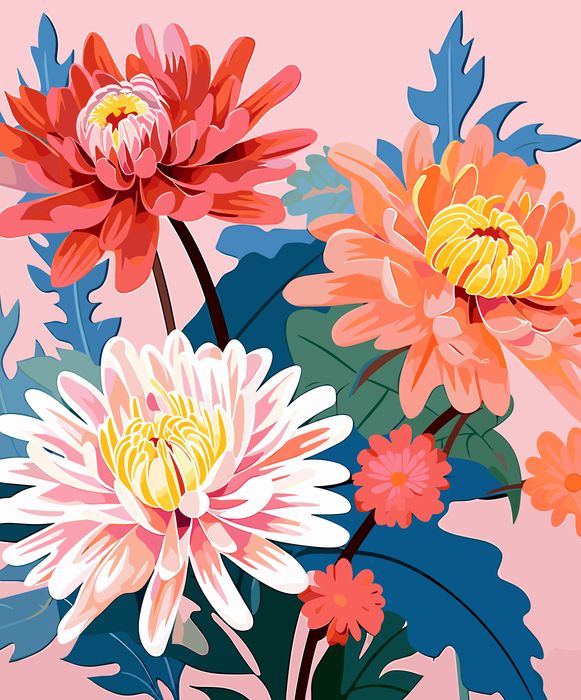
Aster – from the Greek word for "star", after its star-shaped flowers, which light up gardens in late summer and autumn. It stands for love, patience and wisdom.
October: marigold and cosmos
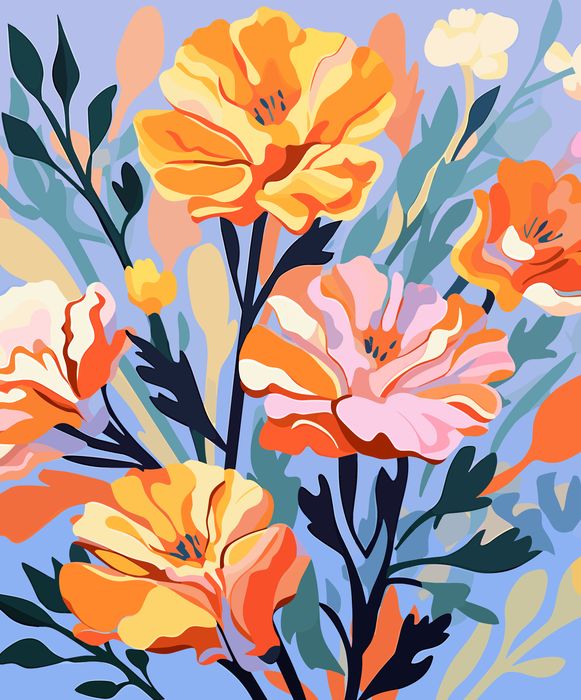
Marigold – bright orange and gold, the marigold is linked with warmth, creativity and the sun. In Mexico, marigolds (cempasúchil) are central to the Día de Muertos altars that remember loved ones.
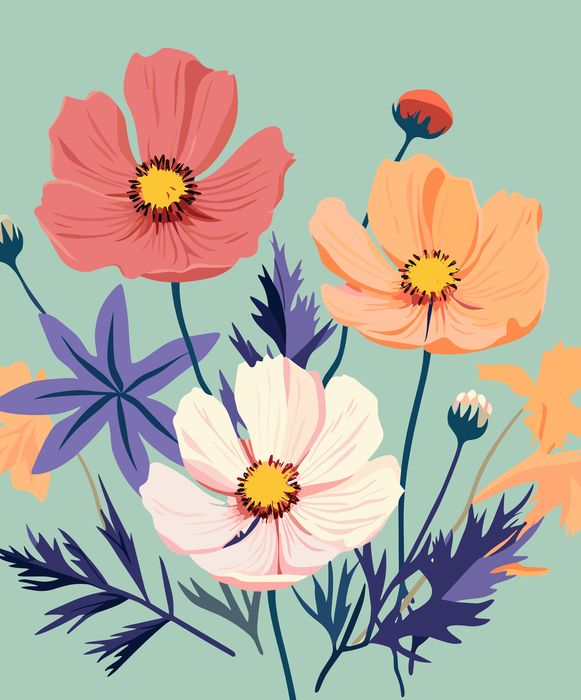
Cosmos – light, airy flowers that keep blooming into autumn. The name comes from the Greek "kosmos", meaning order and harmony, and it is usually said to stand for harmony and peace.
November: peony and chrysanthemum
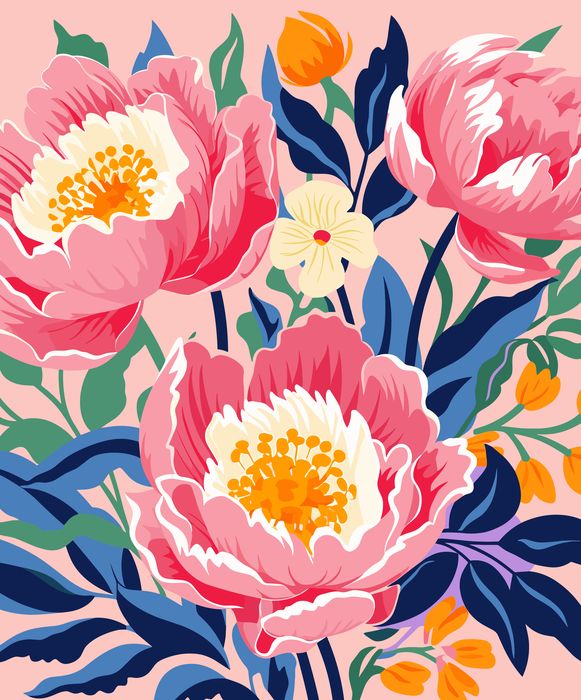
Peony – lush and many-petalled, the peony is a symbol of prosperity, honour and romance, and in China it is traditionally called the "king of flowers". It appears as a November flower on some modern lists rather than the traditional ones – but it is the cover of our best-selling Birth flower planner, so it had to be here.
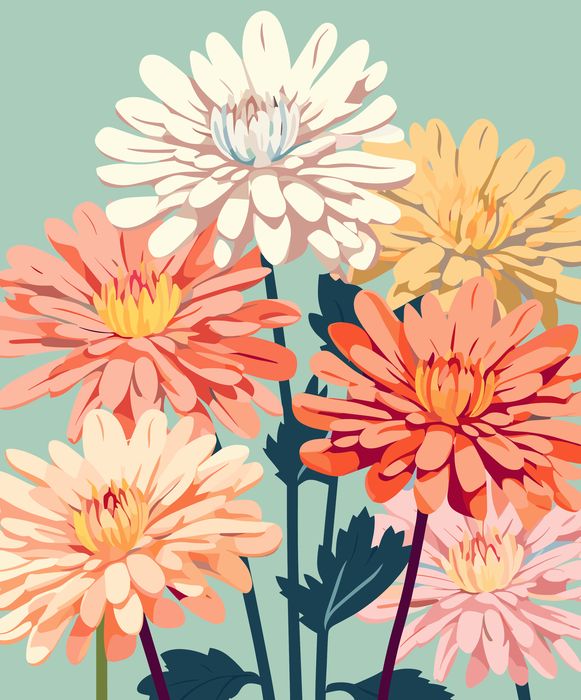
Chrysanthemum – autumn's great flower. In Japan it is an emblem of the imperial family and stands for long life and joy, while elsewhere it often means optimism and friendship. In some European countries it is the traditional flower for graves in early November, so gift customs vary from place to place.
December: narcissus and holly
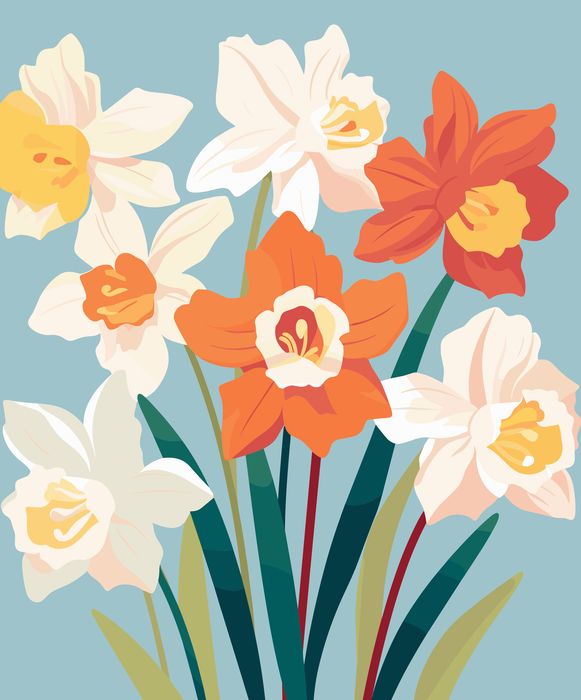
Narcissus – in December this usually means the paperwhite, the scented narcissus grown indoors in winter. It is associated with good wishes, hope and renewal.
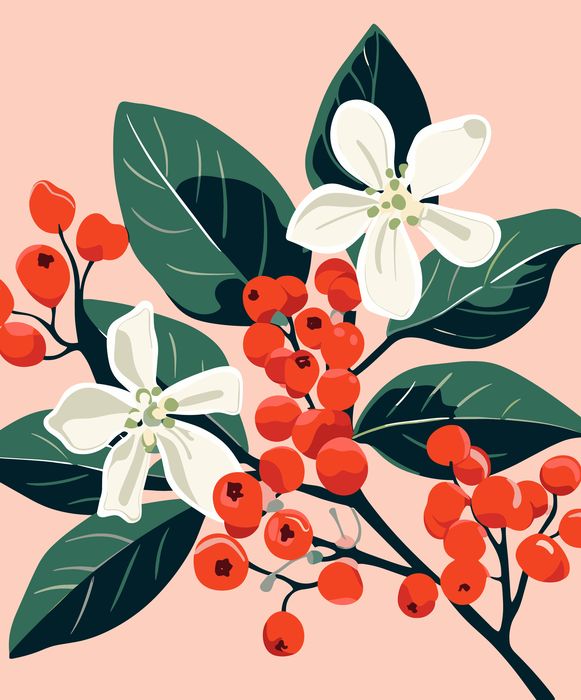
Holly – glossy evergreen leaves and red berries in the darkest weeks of the year. Holly has long stood for protection, goodwill and domestic happiness, and it is a familiar part of winter and Christmas traditions.
Choosing a birth flower
A few ideas, if you're choosing a flower for yourself or for someone else:
- Pick by meaning. Each month has two flowers, and their meanings are often quite different – the gladiolus's strength or the poppy's remembrance, the rose's love or the honeysuckle's devotion. Choose the one that suits the person.
- Pick by look. Some people simply prefer one of the two. The artworks are all different, so look at both before you decide.
- Pick another month. A child's birth month, a wedding month, the month a new job or a new life begins – a birth flower doesn't have to be your own.
- Pick the one you love. Plenty of people just choose their favourite flower, whatever the month.
Your birth flower on a planner
On our Birth flower planner, the flower of your choice sits on the front cover with your name above it in spaced capitals, set to the width of the artwork. You choose from 24 background colours – or any colour of your own – and a small line under the flower reads PLANNER with the year, or a word you pick.
Inside is a complete planner – a year at a glance, monthly calendars, weekly spreads and a page for every day – dated from any month or undated. It is printed and bound to order and shipped from the print partner nearest you, or you can download it as a PDF to print at home. It makes a thoughtful birthday present, especially with the recipient's own flower and name on the front.